


SUVAB - UVA+UVB Radiometer
Main applications
The sensor's excellent response to the cosine law allows the instrument to be used even when the sun is at a low elevation, thus allowing accurate measurements to be taken year-round.
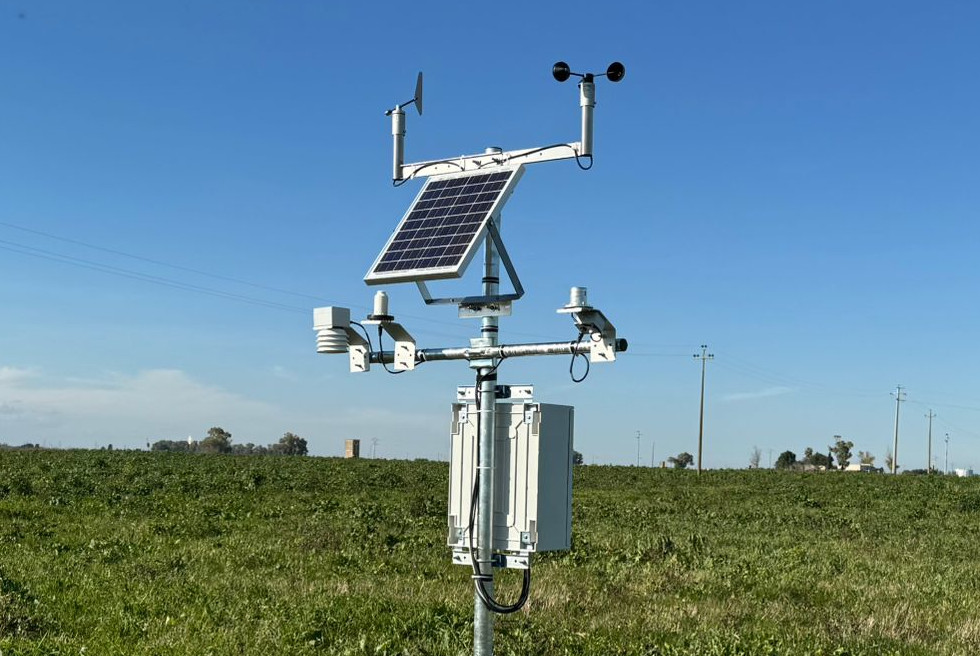
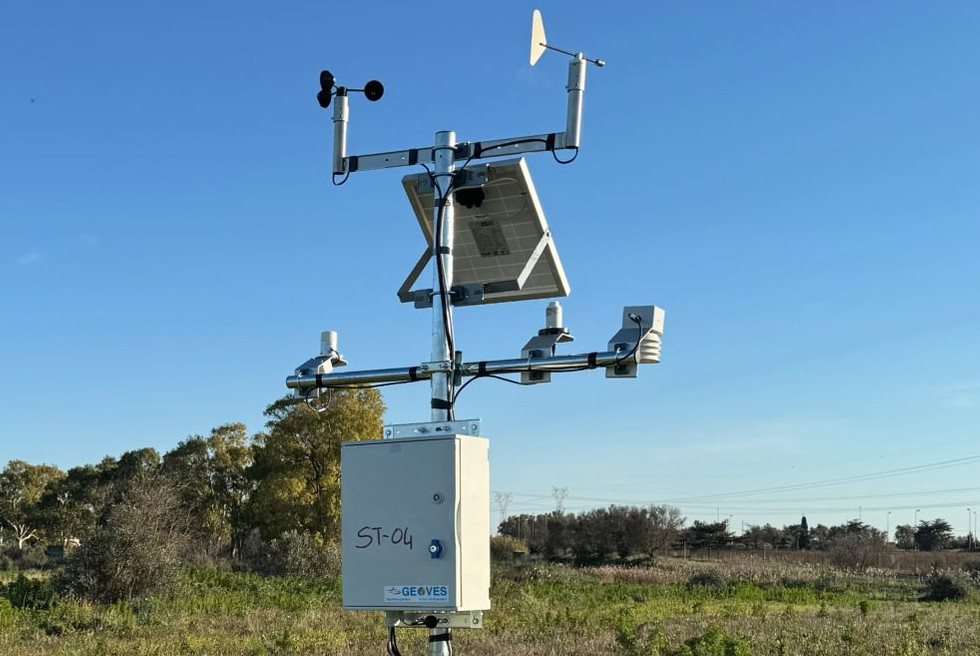
- Meteorology and Climatology
- Agriculture and Greenhouses
- Health, UV Exposure
- Agrivoltaics
- Industrial Measurements
More information
 |
Applications | |
Info / Quote request |
Description
MAIN FEATURES
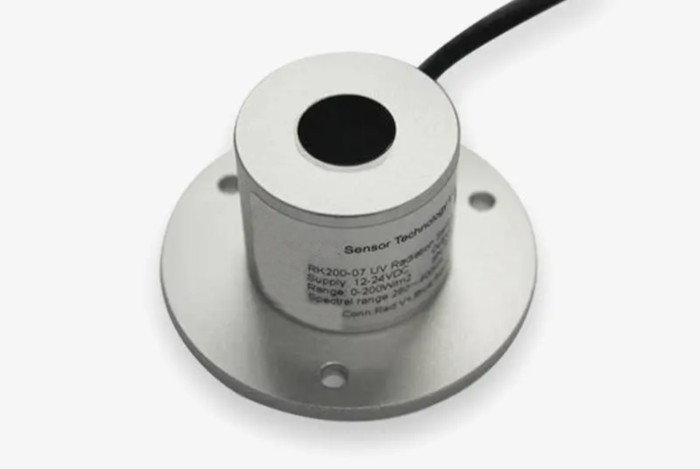
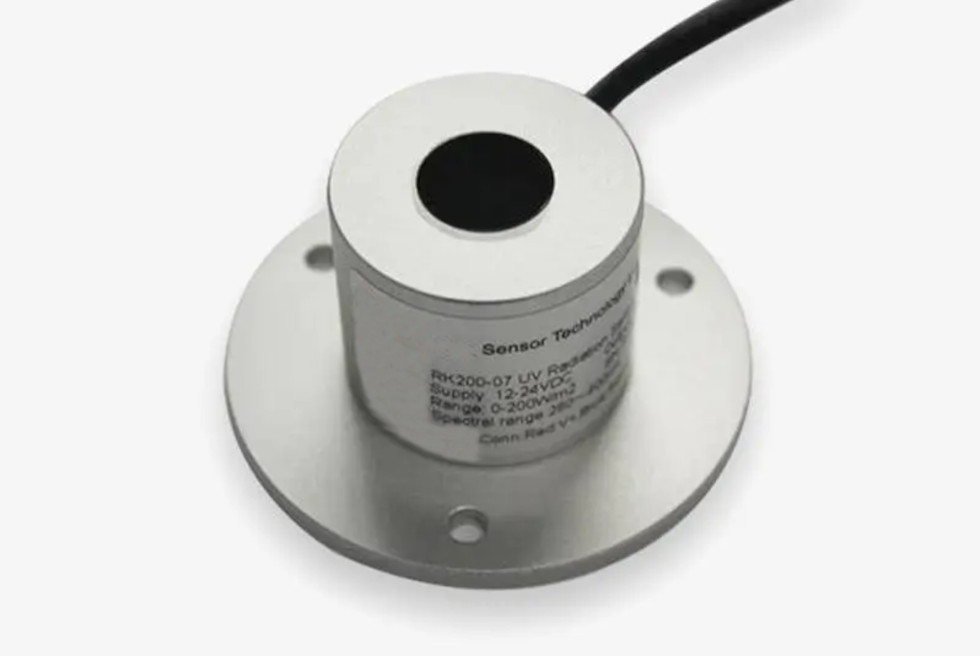
SUVAB is a combined ultraviolet radiation meter in the 280 to 400nm spectrum (UVA and UVB). The sensor is mounted on a self-cleaning head, equipped with a special UV measurement filtering system that makes the sensor extremely reliable and stable over time. SUVAB sensors can be used to measure light intensity from 280 to 400 nanometers, whether the source is the sun, fluorescent lights, germicidal lamps, or other UV radiation sources. SUVAB series ultraviolet radiometers are available in versions with standard voltage (0…5Vdc) or current (4…20mA) outputs.
WORKING PRINCIPLE
SUVAB detects ultraviolet radiation between 280 and 400 nm in Watts/m2. Although UV radiation from 280 to 315 nm (UV-B) is critically important in photochemical and photobiological reactions, less than 3% of UV photons are in this range. Since only a small fraction of photons are in the UV-B range, SUVAB series meters cannot be used to selectively measure UV-B radiation. The sensor is sensitive to UV-B radiation, but also includes UV-A radiation to provide a total UV radiation measurement. In addition to natural UV radiation from the sun, many electric light sources emit UV radiation (e.g., cool white fluorescent lights, metal halide, mercury vapor, and germicidal lamps). Although the relative wavelengths of UV radiation differ between sunlight and electric lights, in most applications, very low bias rates (< 0.5%) are achieved with sunlight.
ADVANTAGES
- Excellent value for money
- High measurement sensitivity
- Amplified output signal easily interfaced with most common data loggers and PLCs
- Excellent robustness and long-term reliability
- Immunity to interference


